I used to think meditation was something you had to be good at. You know the image: sitting cross-legged in a perfectly quiet room, eyes closed, hands resting gently in your lap, completely at peace with your thoughts. Meanwhile, I'm thinking about my to-do list and what I forgot to email. Whether I remembered to move the laundry and why I suddenly can't stop thinking about something that happened three years ago.
But after years of practicing meditation, breathwork, yoga and teaching movement, I've come to see it differently: Meditation isn't about having a quiet mind, it's about practicing the art of coming back to the present moment. And that makes meditation much more accessible—and much less intimidating.
My relationship with these practices isn't just theoretical. I've been a certified yoga teacher since 2020, and over the years, meditation and breathwork have become part of my own practice in different ways. I've also been a student of meditation through HealHaus (online), which helped me approach meditation as something much more accessible and grounded in everyday life.
And perhaps the most memorable place I've experienced the power of breathwork? Labor. I leaned heavily on breathwork throughout my labor, and it gave me something tangible to return to when everything else felt intense and outside of my control. That experience deepened something I already believed from teaching yoga: your breath is always with you.
You don't need a perfect environment, a meditation cushion, or 20 uninterrupted minutes. You can come back to your breath almost anywhere. Here’s how…

In the eternal words of Mase, “Breathe, stretch, shake, let it go.”
You Don't Have to Be "Good" at Meditation
If you've ever tried meditation and thought, I can't do this because I can't stop thinking, you're actually experiencing the exact reason meditation can be useful.
The goal isn't to eliminate your thoughts. Thoughts are going to happen. Your brain is going to do what brains do. The practice is noticing when you've wandered away and gently returning; to your breath, the feeling of your feet on the floor, the sounds around you and the moment you're actually living. That little return is the practice.
And you might have to do it 50 times in five minutes. That's okay.
Start With Less Than You Think You Need
One of the easiest ways to turn meditation into another obligation is to start with an ambitious routine: Twenty minutes every morning, every single day, before you've even brushed your teeth. Suddenly your meditation practice has become another box to check.
Instead, start with two to five minutes. That's it. You can meditate while your coffee brews. Before you get into the shower. Sitting in your car before you walk into work. At the end of a yoga practice. Before bed. You don't need to create a whole new part of your life to make space for meditation. Look for a moment that already exists.
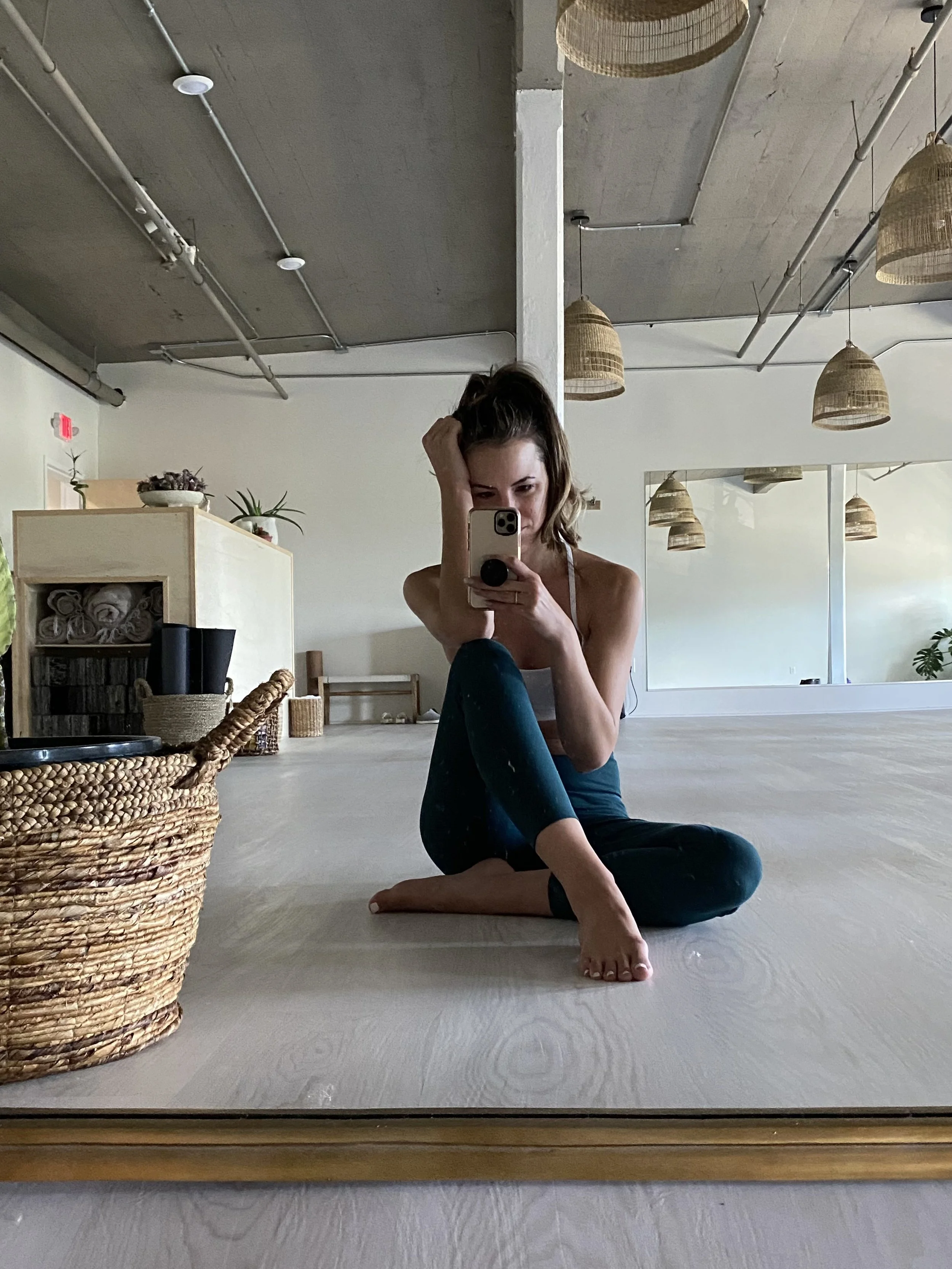
If curating a beautiful space to practice in helps you, that’s great, but it is not a prerequisite. Sometimes the most satisfying realization is knowing you can ground yourself among the chaos.
Your Meditation Practice Can Be Very Simple
Here's the beginner meditation I come back to when I want something uncomplicated:
Find a comfortable position. You can sit on the floor, on a cushion, on your couch, or even in a chair. You don't need to look like a meditation teacher. You just need to be comfortable enough that you're not distracted by your body.
Close your eyes or soften your gaze.
Take a slow breath in. And a slow breath out.
Then simply notice your breathing. You don't have to change it. Notice the inhale. Notice the exhale.
When your mind wanders, notice that. And then come back to your breath.
That's it. No special music. No perfect posture. No profound realization required. Just noticing and returning.
If Sitting Still Makes You Crazy, Try Moving First
This is one of the things I love most about combining meditation with yoga and movement. Sometimes the body needs to move before the mind is ready to be still. If you're feeling restless, try five minutes of gentle movement first.
Roll your shoulders. Stretch your neck. Fold forward. Take a few slow cat-cow movements. Walk around the room. Then sit down and notice how you feel.
Meditation doesn't have to begin with stillness. Sometimes movement is the doorway to stillness and this is one reason I think yoga can be such a beautiful complement to meditation. You're not trying to force your body and mind into a state they're not ready for. You're giving yourself a little space to arrive.
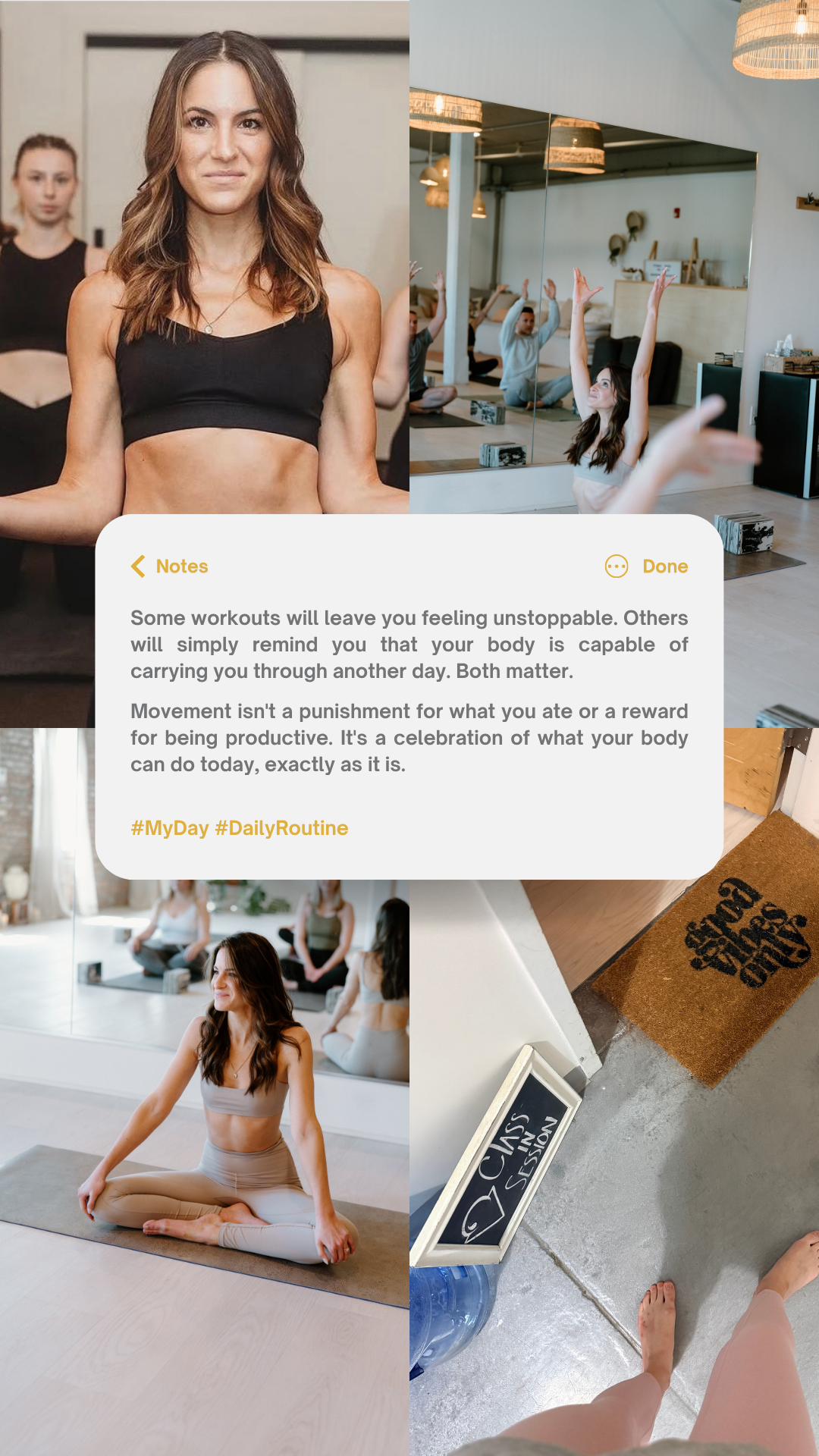
Try Breathwork If Your Mind Is Particularly Busy
There are days when simply "watching your breath" feels like asking a lot. On those days, I'll start with a few intentional breaths instead. Try this:
Inhale for four counts.
Exhale for six counts.
Repeat for five rounds. Then let your breathing return to normal and sit quietly for another minute or two.
The longer exhale gives you something tangible to focus on, which can make the transition into meditation feel much easier.
You don't need to turn it into a complicated breathwork sequence. Sometimes a handful of intentional breaths is enough to create a little space between everything that's happening and you.
Don't Make "Daily" the Point
I love the idea of a daily meditation practice but I don't love the idea of turning it into another way to measure whether we're succeeding at wellness.
If you meditate every morning for a week and then miss three days, you haven't failed and you don't have to start over. There is no streak to protect. There is simply the next opportunity to sit down and take a breath.
Maybe your practice is five minutes every morning or two minutes before bed. Maybe it's a few breaths before you teach a class or something you return to whenever life feels particularly loud.
The consistency that matters isn't necessarily how often you meditate. It's learning that you can always come back.
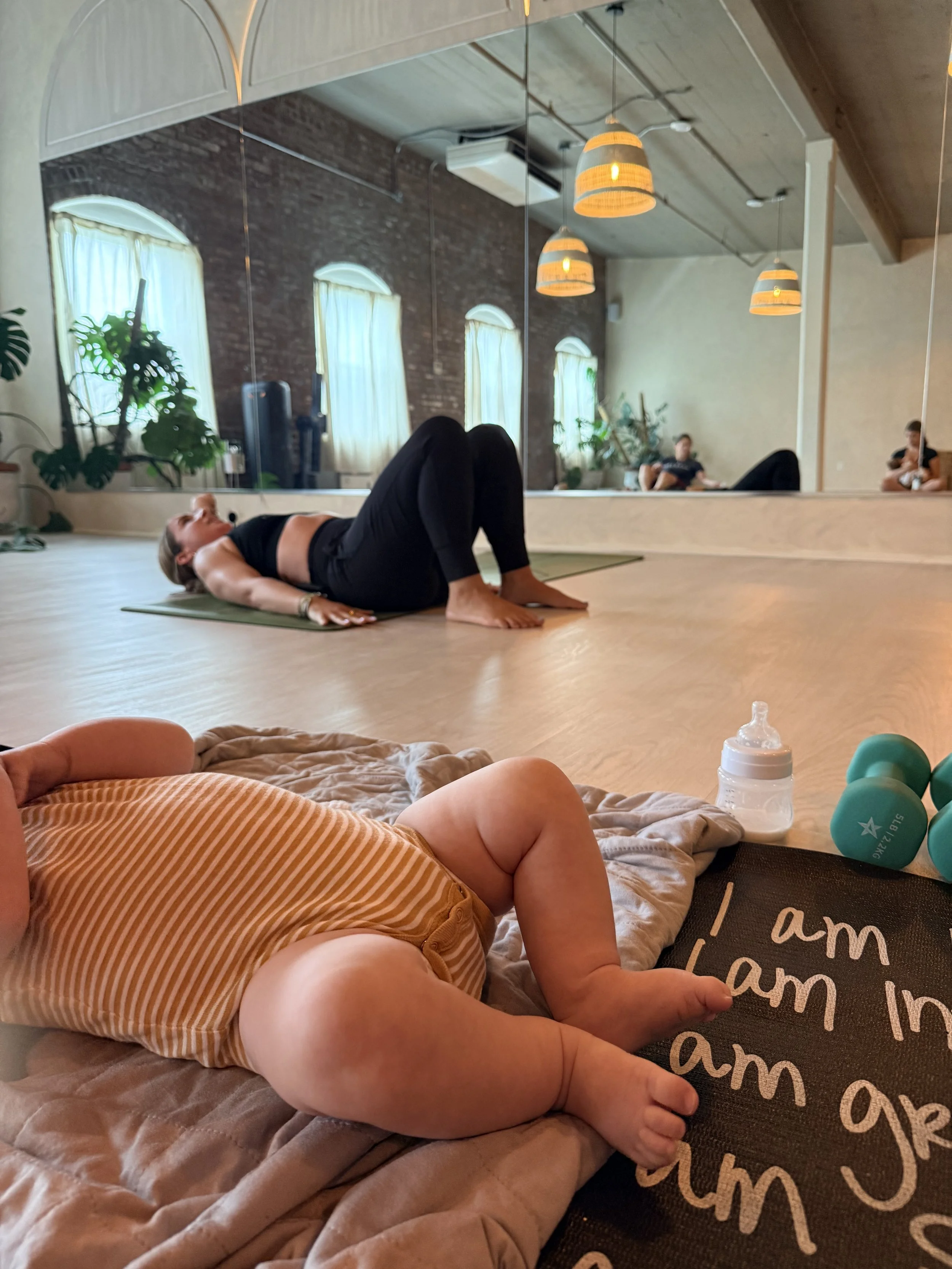
Will practice with baby, friends, weights, whatever it takes…
Attach Meditation to Something You Already Do
If you're trying to figure out how to start meditating, this is probably my favorite practical tip: Don't create a new habit when you can pair it with an existing one.
Try meditating:
After you brush your teeth
While your coffee brews
After your morning walk
Before you open your laptop
After your workout
Before you get into bed
Immediately after a shower
Before you pick up your phone in the morning
The goal is to make meditation feel like a natural part of your day rather than an appointment you have to keep.
Your Environment Doesn't Have to Be Perfect
You can meditate in a beautiful, quiet room. You can also meditate while the dishwasher is running. You can meditate in your bedroom while your cat wanders around, in your car before picking someone up, sitting at the edge of your bed with yesterday's laundry nearby. Real life is allowed.
In fact, I think there's something valuable about practicing presence in the middle of an imperfect day rather than waiting for the perfect conditions to arrive. The point isn't to create a life where nothing interrupts your peace it's to practice finding a little bit of peace within the life you already have.